
If you are trying to reduce inflammation to feel better, recover faster, or manage chronic pain, red light therapy is one of the most talked-about options right now. It uses specific wavelengths of red light (and often near infrared light) to support healing at a cellular level, without using UV light and without damaging tissue.
Understanding Inflammation
Inflammation is your body’s built-in defense system. In the short term, it is helpful. It increases blood flow, sends immune cells to an injured area, and kicks off repair.
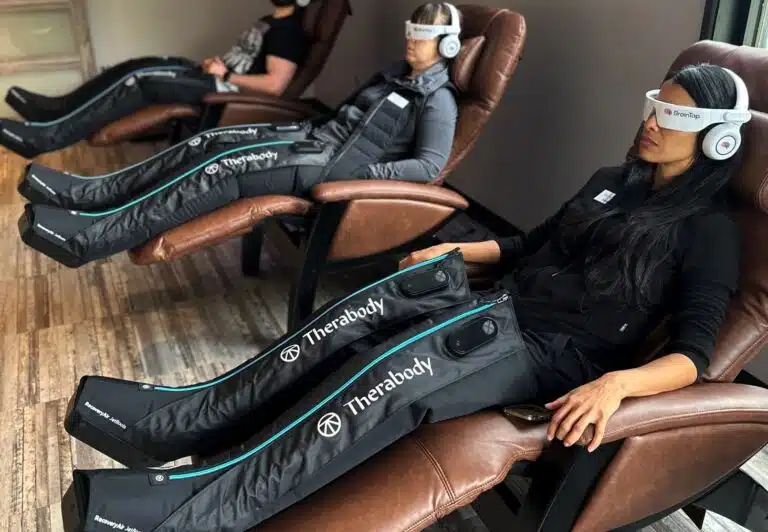
The problem is when inflammation sticks around too long. Chronic inflammation can contribute to lingering pain, slow recovery after workouts, and that “always tight and sore” feeling in joints and muscles. It can also overlap with stress, sleep issues, and other long-term wellness concerns. Compression boots can be a great pair with Red Light if you are very active and on your feet all day. A sauna session always works wonders for me!
How Red Light therapy works to reduce inflammation
Red light therapy is often grouped under photobiomodulation (PBM). The basic idea is that certain levels of red light and near infrared wavelengths are absorbed by parts of your cells, especially inside the mitochondria (the power house of the cell). Research points to cytochrome c oxidase as a key target, which can lead to increased cellular energy (ATP) and signaling changes tied to tissue repair and inflammation modulation.
In simple terms, red light therapy may help your cells do their jobs more efficiently, especially when tissue is stressed. Here is Andrew Huberman on Red Light Therapy.
Common mechanisms discussed in the research include:
- Increased ATP production (more energy for repair processes)
- Nitric oxide signaling changes that may support circulation and recovery
- A “dose matters” effect, where more is not always better, which is one reason protocols and session times matter
LLLT and PBM
You will see multiple names for similar concepts:
- LLLT: low-level laser therapy (historically used in research and clinics)
- PBM: photobiomodulation (a broader term that includes LEDs and lasers)
- “Red light therapy” (consumer-friendly umbrella term)
Both LEDs and lasers are used in PBM. What matters most is matching the right parameters: wavelength, power, time, and distance from the tissue.
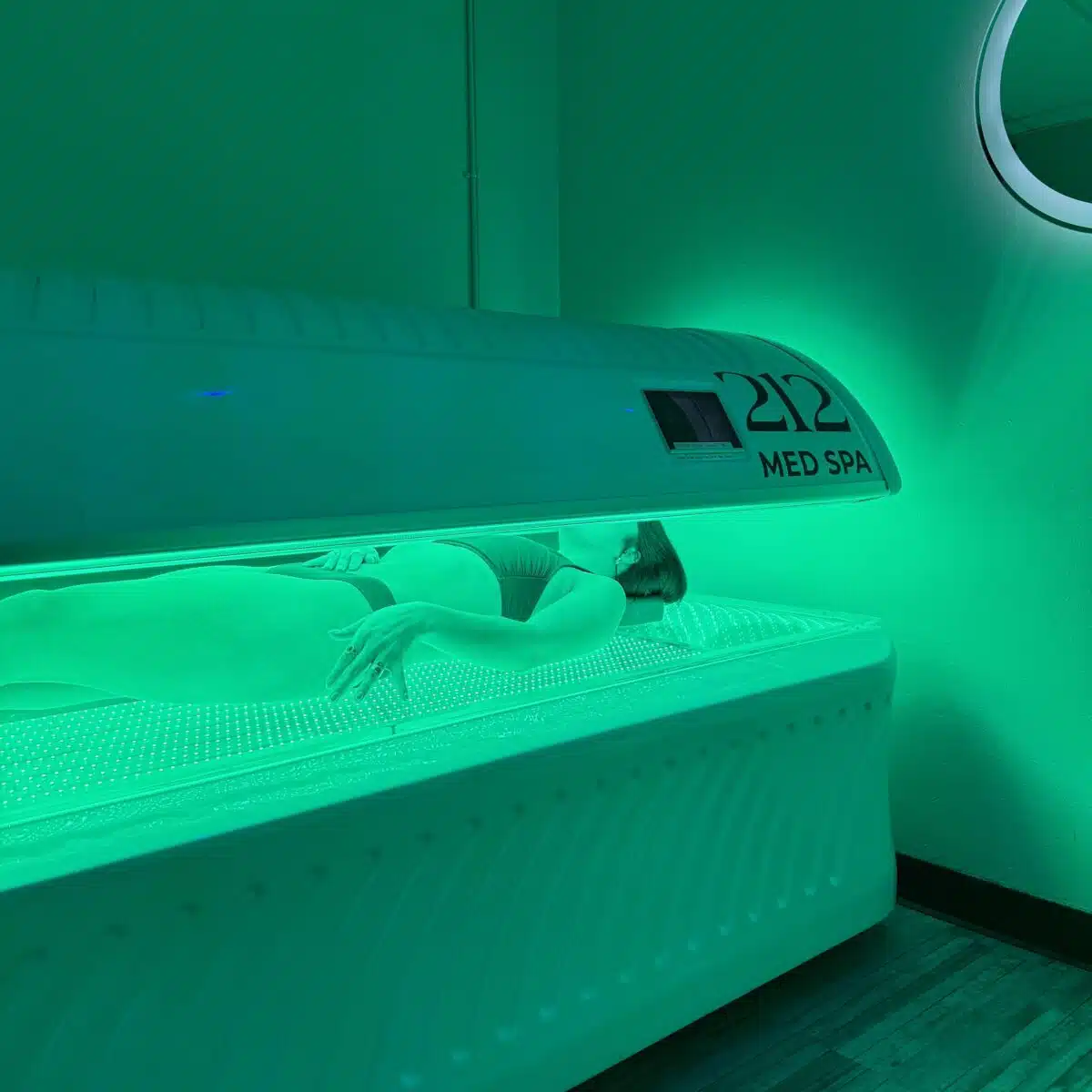
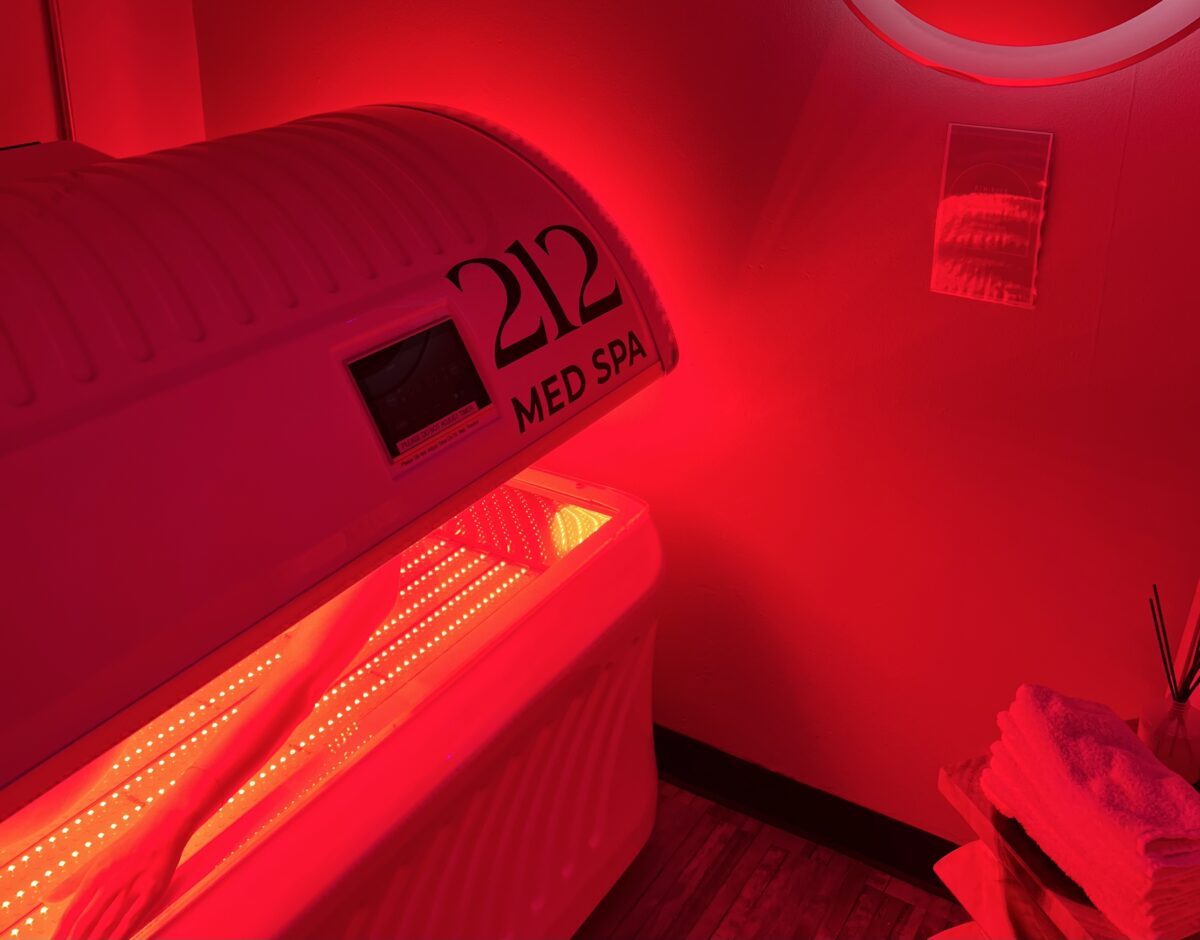
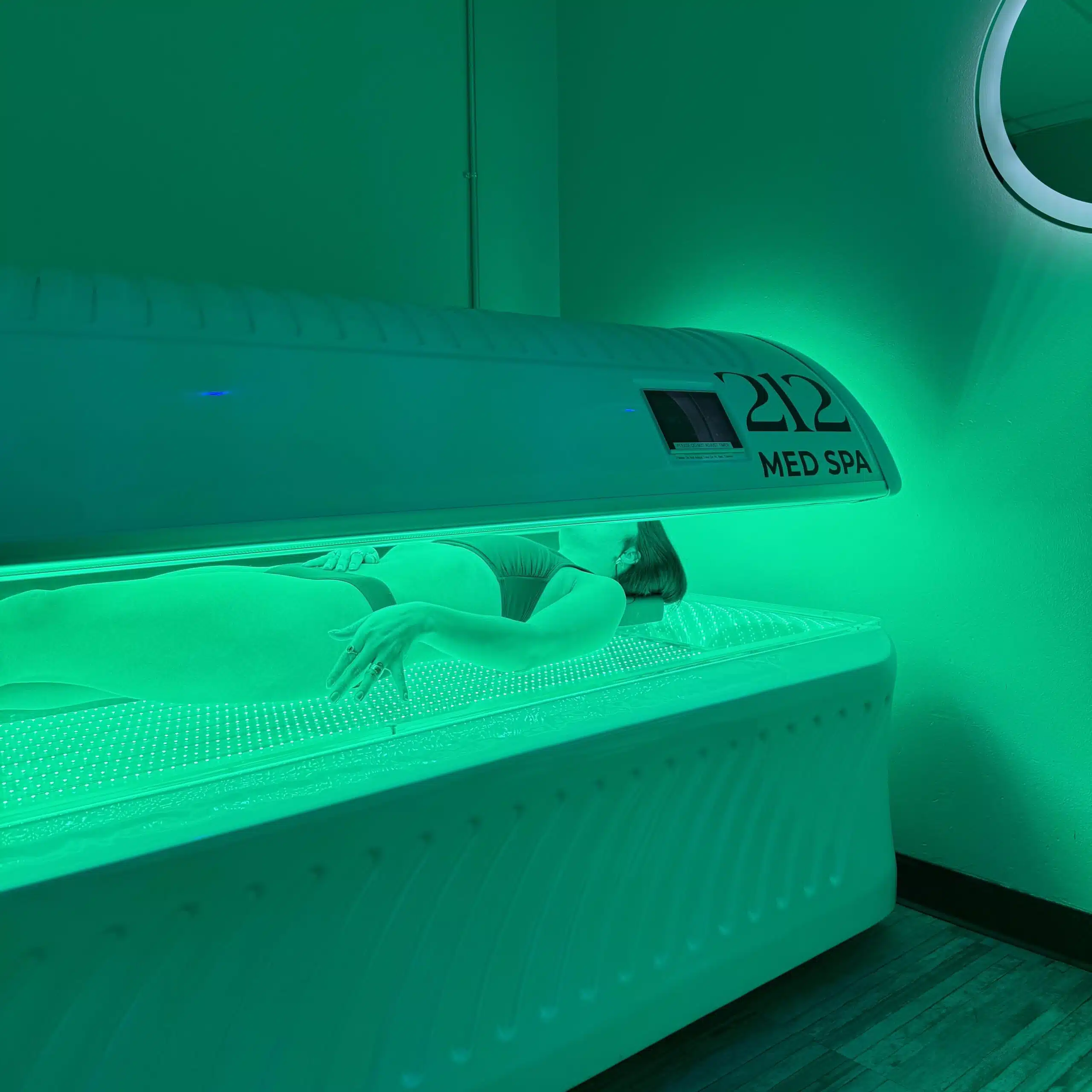
Edmonds Red Light Therapy Bed
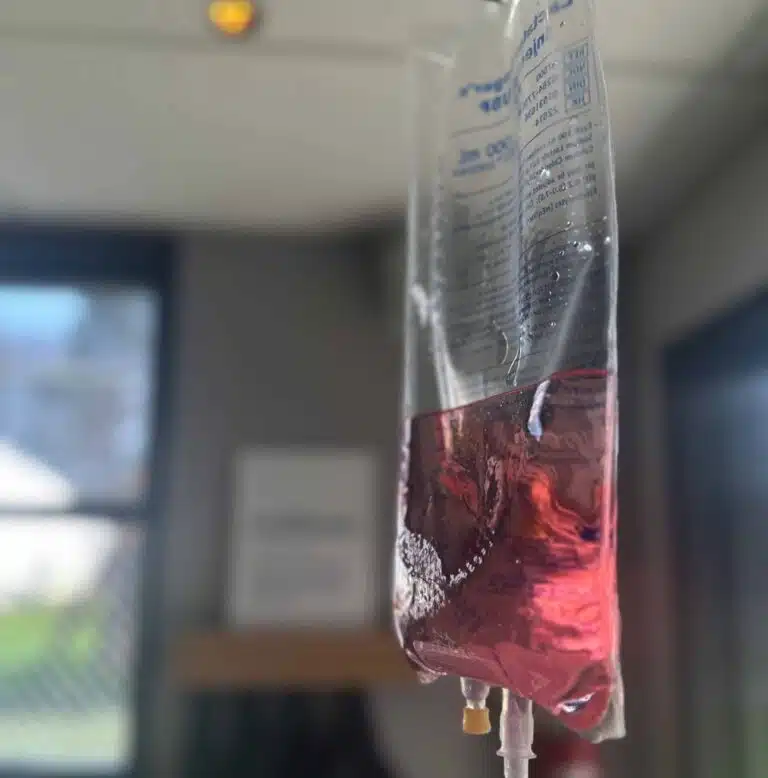
If you live in Edmonds, Woodway, Mountlake Terrace, Lynnwood, Shoreline, or the north Seattle area, one of the easiest ways to try red light therapy is to book a session locally so you do not have to guess on device quality or protocols. We also offer full in house IV Therapy and PEMF Therapy to really attack any kind of inflammation you may have!
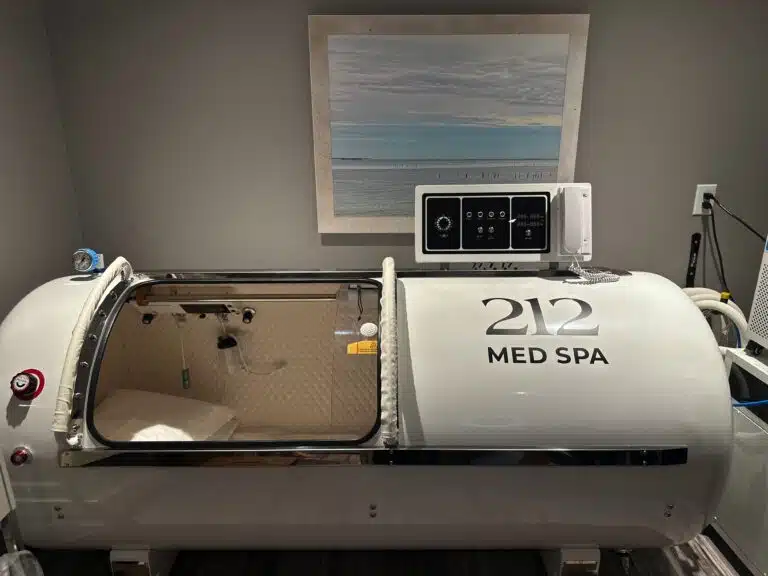
At 212 Med Spa in Edmonds, red light therapy is offered alongside other recovery-focused services, with a wellness-first, friendly vibe. The spa is located right behind Harbor Square Athletic Club.
A quick note on home devices: there are plenty of options, including panels and handheld devices, but quality varies a lot (wavelength accuracy, output, coverage area). If you are not sure what you are buying or how to use it consistently, in-spa sessions can be a simpler start.
Red Light Therapy for Pain
One of the most common reasons people look up “does red light therapy work” is pain, especially chronic joint or muscle issues.
The research overall suggests PBM can be helpful for certain musculoskeletal pain conditions, but results depend heavily on the exact protocol and the condition being treated. Many studies are small, and parameters vary. Still, systematic reviews in musculoskeletal contexts report pain reduction benefits and functional improvements in multiple settings.
If your goal is “less pain, better movement, faster bounce-back,” red light therapy is often used as a complementary recovery tool, not a replacement for medical care or rehab.
Red Light Therapy for Hair loss
Red light therapy and LLLT are also used for hair loss and hair growth support, especially androgenetic alopecia (pattern hair loss). Reviews of the medical literature report LLLT may improve hair growth with generally minor side effects reported, though study designs and potential industry ties vary.
This is where people often compare:
- Clinic sessions vs home red light options
- Caps/helmets vs panels vs comb-style devices
- Consistency over months vs “quick fix” expectations
If you are considering red light for hair loss, the biggest success factor tends to be consistency and realistic timelines.
Red Light Therapy for Skin
For skin goals, red light therapy is often used to support a healthier-looking complexion and reduce the appearance of aging-related changes. PBM research in dermatology discusses effects tied to mitochondrial activity, oxidative stress reduction, and signaling that may support collagen and skin quality.
This is also one of the areas where people get confused about UV light. Red light therapy is not UV. UV is what contributes to sunburn and DNA damage. Red light therapy uses red and often near-infrared wavelengths, which work through different biological pathways.
Booking Red Light at 212 Med Spa
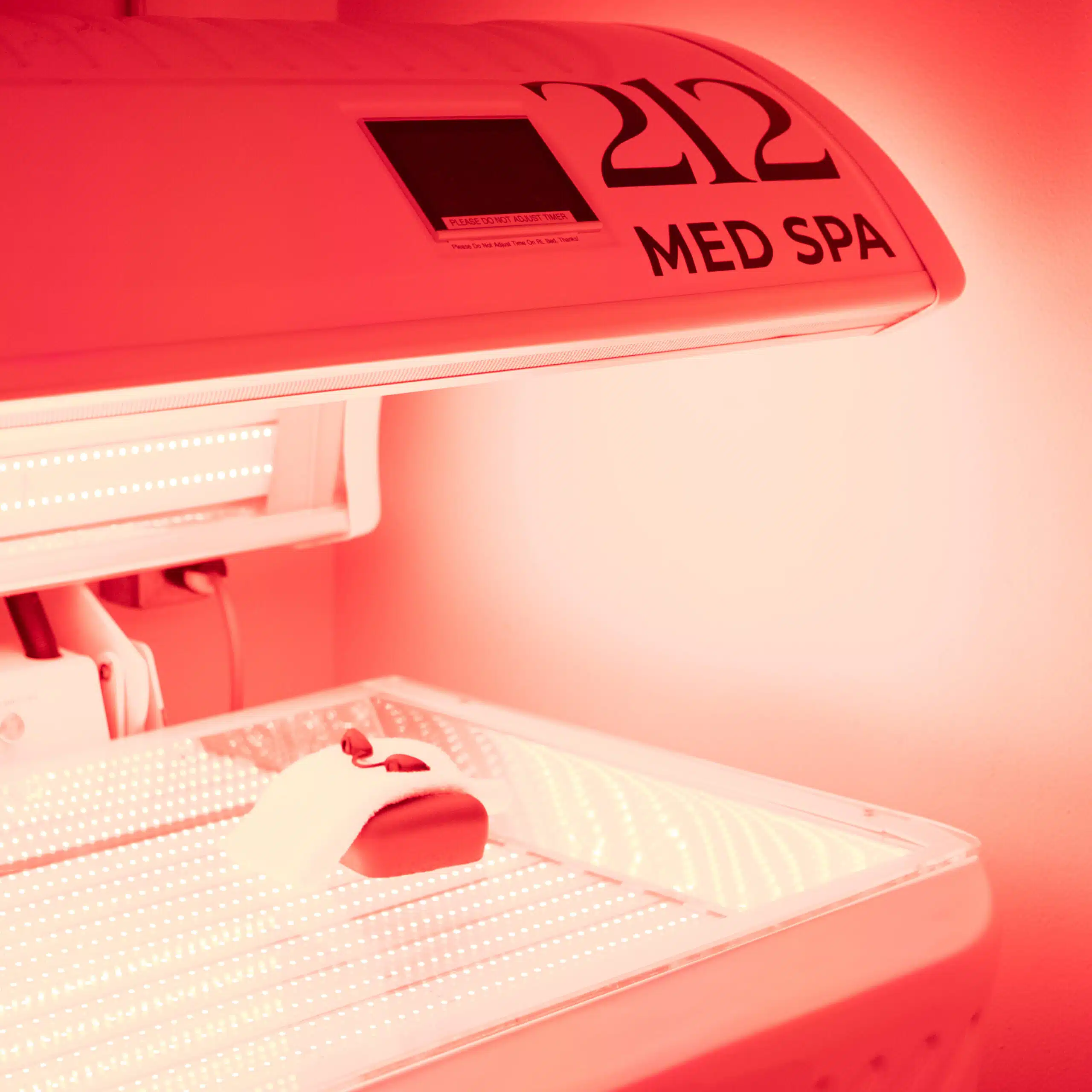
If you want to try red light therapy without overthinking devices and settings, booking a session at 212 Med Spa is a simple first step to start your Red Light journey.
Many people book red light therapy because they want benefits like:
- Increases Energy
- Improved Blood Flow
- Stress and Mental release
- Sleep and Muscle Recovery
A practical approach is to try a short run of sessions close together, then adjust based on how your body responds.
Visit 212 Med Spa for Red Light and More!
If you are in Edmonds or nearby and you want a science-backed recovery tool that fits into a busy schedule, red light therapy at 212 Med Spa is worth trying. It pairs well with an active lifestyle and can be combined with other wellness and recovery services offered at the spa.
FAQ
How many sessions of red light do I need?
It depends on your goal and how your body responds. Many people start with a short series (for example, a couple sessions per week for a few weeks), then taper to maintenance. Research outcomes vary because protocols vary, so the best plan is usually guided by your results and consistent use.
Does the location of the inflammation matter for red light to be effective?
Yes. Light has to reach the target tissue to have the best chance of effect. Red light and near-infrared light have different penetration depths, and device design plus positioning matters. That is one reason full-coverage panels or bed-style sessions can feel more straightforward than small handheld devices for bigger areas.
Can I overdo red light therapy?
Potentially, yes. PBM is known for a biphasic dose response, meaning too little may do nothing, but too much may reduce benefits or be counterproductive. Following a structured session time and spacing is a smart move.