If you are in Edmonds (or nearby) and want a sauna and cold plunge routine that is backed by real research (not just hype), this guide gives you a simple protocol plus the science behind why we recommend each step.
What is Sauna and Cold Plunge Therapy?
Sauna and cold plunge therapy is heat and cold exposure done in a planned sequence. Most routines use a sauna session to raise core body temperature, followed by cold water immersion to cool down. That back and forth is commonly called contrast therapy. Research on heat exposure (sauna) links frequent sauna bathing with lower risk of cardiovascular and all-cause mortality in observational data, and it also shows clear short-term effects on heart rate and circulation.
Sauna Therapy
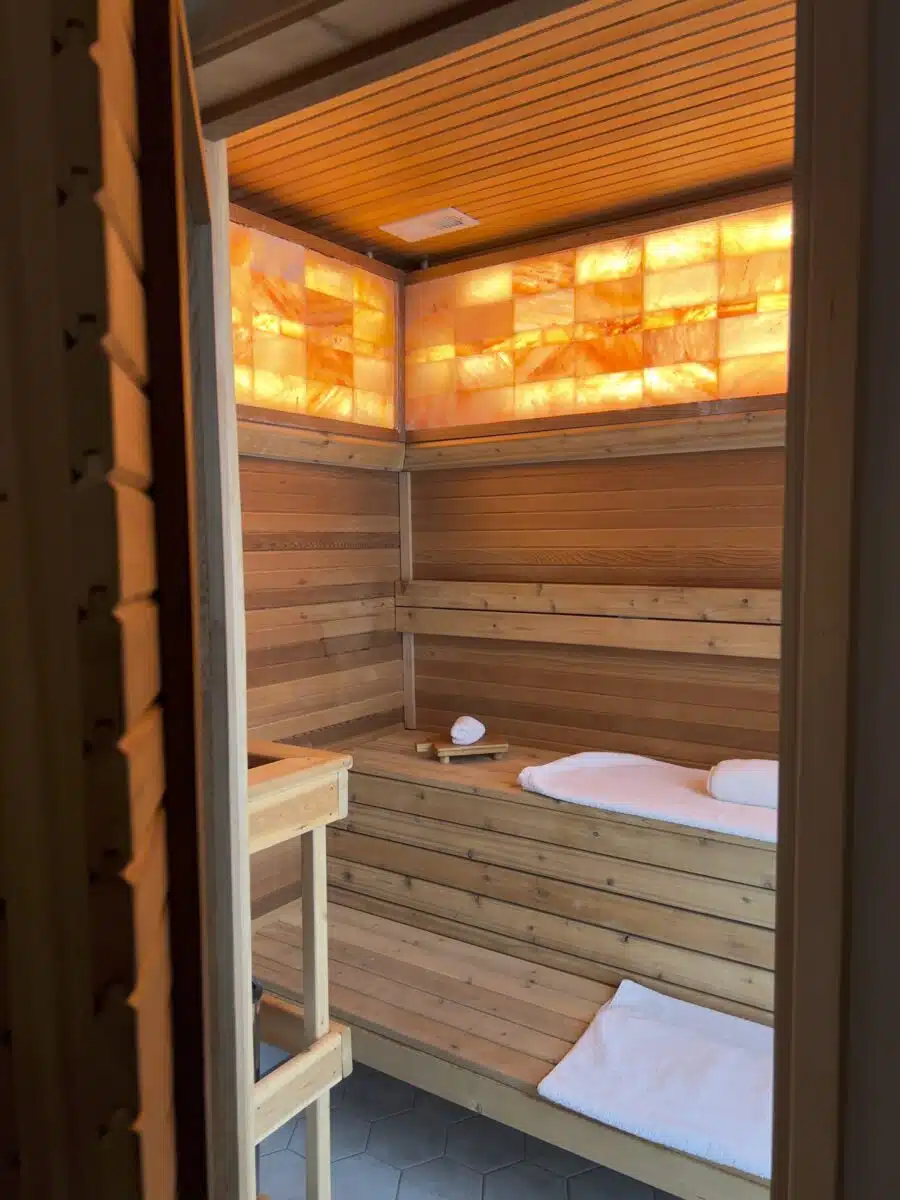
A sauna session increases skin and core temperature. Your heart rate typically rises and blood vessels in the skin dilate to help release heat. This is part of why sauna can feel similar to light-to-moderate cardio from a cardiovascular demand perspective, even though it does not replace exercise. Reviews of sauna research summarize these physiologic changes and the associations with cardiovascular outcomes.
What the evidence is strongest on:
- Short-term effects: heart rate up, blood vessels dilate, blood pressure can drop afterward in many people.
- Long-term associations: in Finnish cohort research, more frequent sauna use is associated with lower risk of fatal cardiovascular outcomes and all-cause mortality (association, not proof of cause).
Cold Plunge
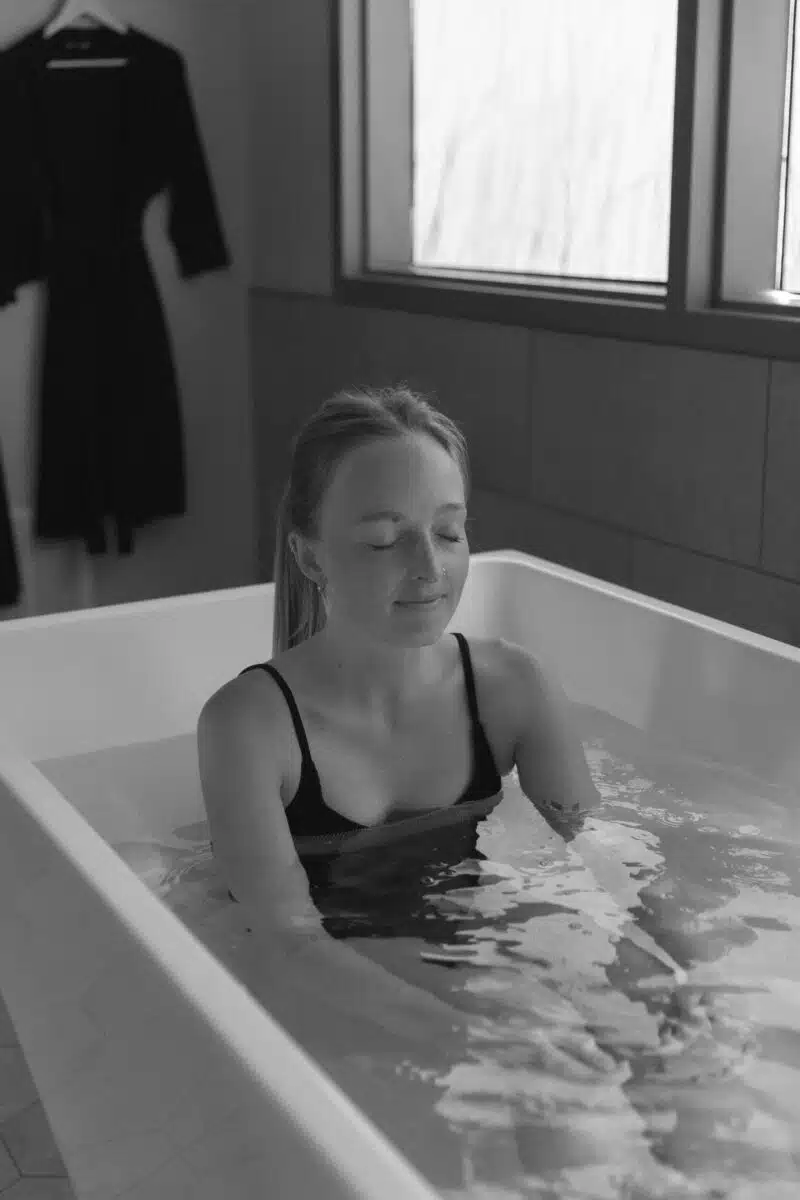
Cold plunging is a form of cold water immersion. Cold exposure causes blood vessels near the skin to constrict and triggers a stress response. That stress response is one reason people describe a “mental reset” after a plunge, but it is also why we recommend starting conservatively, especially if you are new or have cardiovascular risk factors. (Cold shock can spike heart rate and blood pressure in some people.)
Evidence is strongest for:
- Recovery: cold water immersion can reduce delayed-onset muscle soreness and improve some recovery outcomes, especially after endurance or team sport style training.
Hot and Cold Contrast Therapy
Contrast therapy alternates heat and cold. The most common explanation is “vasodilation then vasoconstriction,” meaning blood vessels widen in heat and narrow in cold. While the “pump” idea is plausible, the best evidence for contrast therapy is still mostly in the context of exercise recovery, where studies show it can help soreness and perceived recovery in some settings.
Benefits of Contrast Therapy
Increases Energy
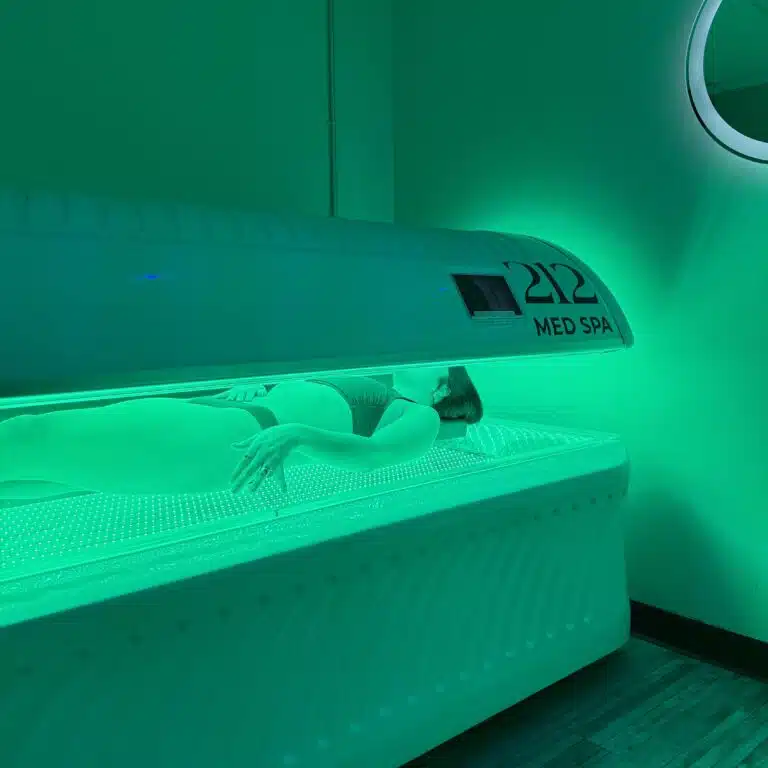
Cold exposure often increases alertness because it activates the sympathetic nervous system (the “fight or flight” side). That is why many people feel energized immediately after a short plunge. The key is keeping it short enough that you feel alert, not wiped out. Red light therapy also has a great recharged feeling once you complete a session.
Improved Blood Flow
Heat increases circulation to the skin and muscles, cold shifts blood away from the skin. Alternating them changes blood vessel tone and may support “improving circulation” over time when combined with healthy habits. Sauna research consistently discusses vascular function and cardiovascular effects as likely mechanisms behind observed benefits.
Stress and Mental release
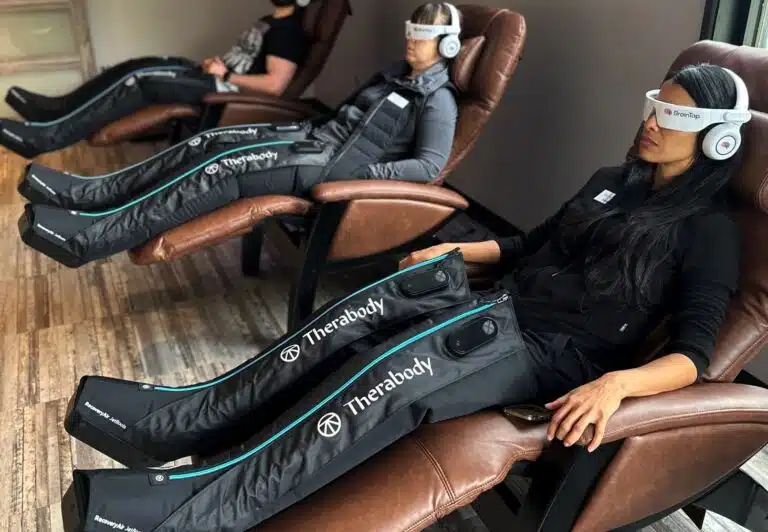
Heat exposure is commonly associated with relaxation after the session, while cold exposure trains controlled breathing under stress. Some of the mental benefits are likely physiology, and some may be behavioral (it forces you to slow down, breathe, and commit to a routine). Research reviews also highlight potential effects on autonomic balance and recovery after sauna exposure. Similar to Brain Tap where you get into a meditative state
Sleep and Muscle Recovery
For muscle recovery, the best evidence is for cold water immersion reducing soreness and improving certain performance recovery markers, particularly after hard training blocks.
For sleep, many people find sauna helps them wind down, but sleep outcomes are not as consistently studied as cardiovascular outcomes. A practical approach is doing sauna earlier in the evening so your core temperature can fall before bed.
Is Sauna and Cold Plunge Therapy Safe?
For many healthy adults, it can be safe, but it is not “risk-free.”
Use caution and talk with a clinician first if you have:
- Heart disease, arrhythmias, uncontrolled blood pressure, history of fainting
- Pregnancy
- Conditions that impair temperature regulation or sensation
Safety reasons behind our recommendations:
- Heat plus sweating can dehydrate you, which raises the risk of lightheadedness. That is why we say stay hydrated before and after.
- Cold shock is real. The first 30 to 60 seconds is often the hardest because breathing and heart rate can spike. Keeping early plunges short reduces risk while you adapt.

Sauna and Cold Plunge Protocol
There is no single “perfect” protocol. What we recommend is based on what shows up most often in studies and in real-world athletic recovery practice: moderate exposures, repeated consistently.
Sauna Protocol
Goal: raise core temperature enough to sweat, then exit before you get dizzy.
- Start: 10 to 15 minutes
- Build: 15 to 25 minutes as tolerated
- Reason: In large sauna cohort research, common sessions were around typical Finnish sauna use patterns (multiple sessions per week with meaningful heat exposure). The studies do not prove an exact ideal duration, but they support that regular exposure is the point.
- Hydration: drink water before and after. If you sweat heavily, consider electrolytes.
Cold Plunge Protocol
Goal: brief cold exposure that you can control with breathing.
- Start: 30 to 60 seconds
- Build: 1 to 3 minutes
- Reason: Recovery research commonly uses short-to-moderate cold water immersion exposures, and meta-analyses show benefits for soreness and recovery outcomes in many training contexts.
Important training note: If your top goal is muscle growth, frequent cold immersion immediately after resistance training may reduce some hypertrophy-related signals in certain contexts. If you lift for strength and size, use cold strategically (shorter, or save it for later in the day).
Back and forth, Cold Plunge & Sauna
A simple evidence-aligned routine:
Beginner routine (2 rounds)
- Sauna 10 to 15 minutes
- Cold plunge 30 to 60 seconds
- Sauna 10 to 15 minutes
- Cold plunge 45 to 90 seconds
Why this works
- Two rounds gives you enough total exposure to feel benefits without chasing extremes.
- Short cold exposures help you get the recovery and mental benefits while reducing the chance you overdo it.
- Repeating the cycle is how most contrast therapy protocols are structured in sports recovery settings.
Visit 212 Med Spa for Sauna and Cold plunge!
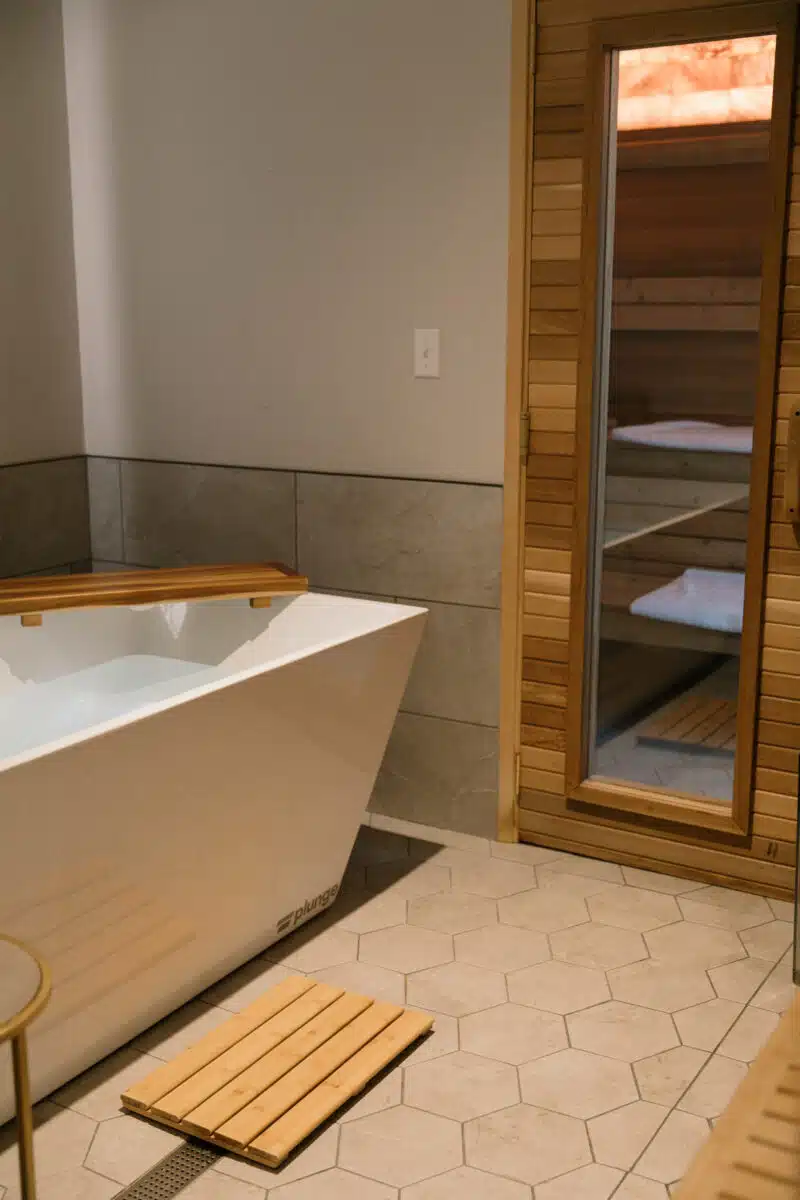
If you want to do this routine without buying equipment or guessing temperatures, visit 212 Med Spa in Edmonds, Washington. 212 offers Cold Plunge, plus a Himalayan Salt Sauna and an Infrared Sauna, so you can build a repeatable contrast therapy habit close to home.
FAQ
Does Hot and Cold Therapy promote longevity?
Sauna has the strongest “longevity” style evidence right now, mostly from large observational studies showing that frequent sauna bathing is associated with lower risk of fatal cardiovascular events and all-cause mortality.
That being said, these studies show association, not guaranteed cause. The practical longevity win is building habits that support cardiovascular health, stress reduction, and recovery so you can stay active long-term.
Can you do Sauna and Cold Plunge daily?
Some people do, but daily is not required. For most people, 2 to 4 sessions per week is a strong starting point. If you are increasing frequency, the safest way is to keep intensity moderate (not the hottest sauna plus the longest cold plunge every time). Consistency beats extremes. Most of our Spa therapies can be done 2-4 times per week!
Should I combine this with my workouts?
Yes, but match it to your goal:
- For endurance and general recovery: cold water immersion after training is well-supported for soreness and perceived recovery.
- For muscle growth: consider keeping cold short, or separating it from lifting sessions, since evidence suggests cold exposure right after resistance training may interfere with hypertrophy adaptations in some scenarios.